Turkey Diary #3: The Shoes in the Wall
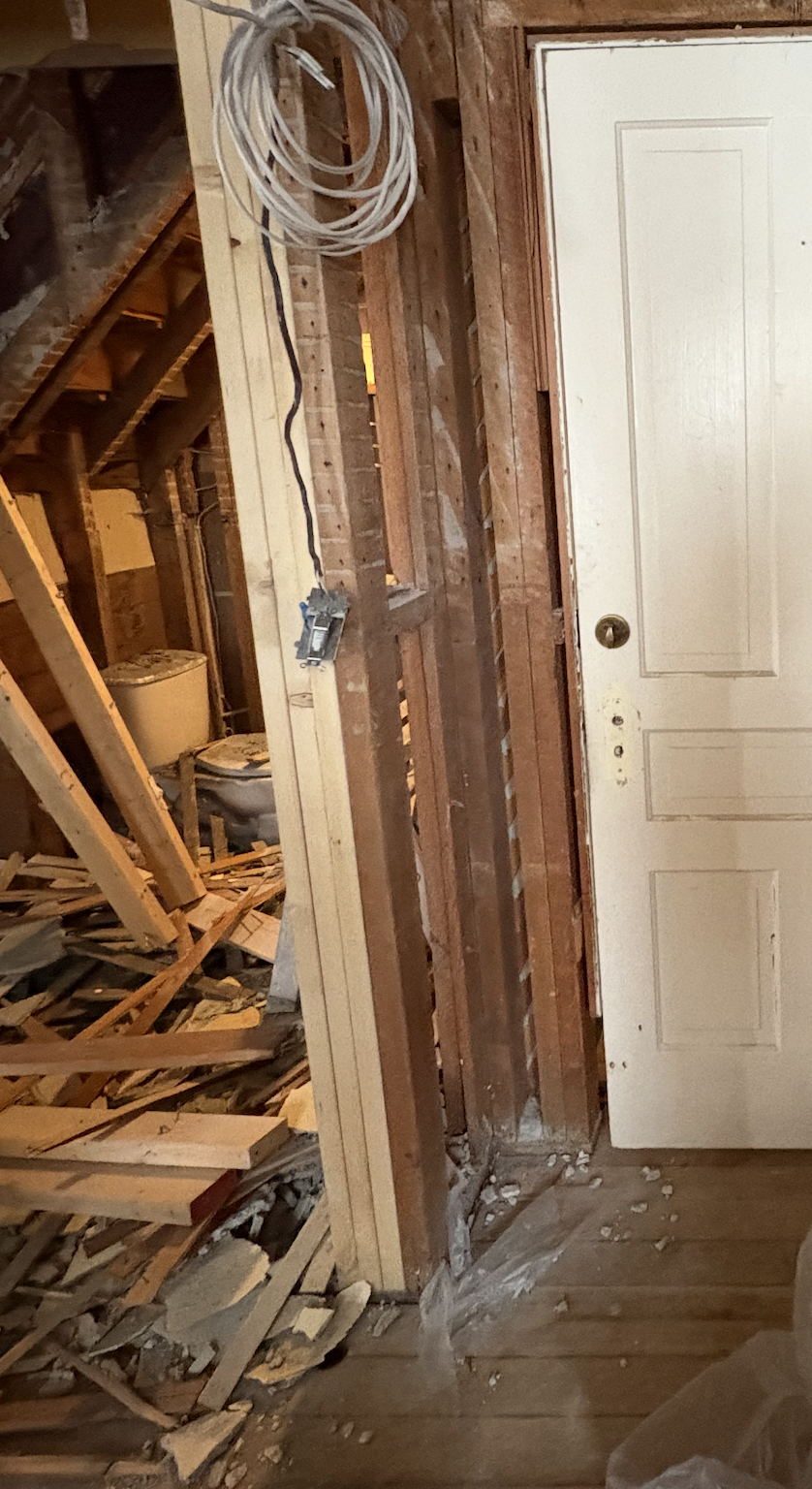
Out of the rubble came two pairs of shoes.
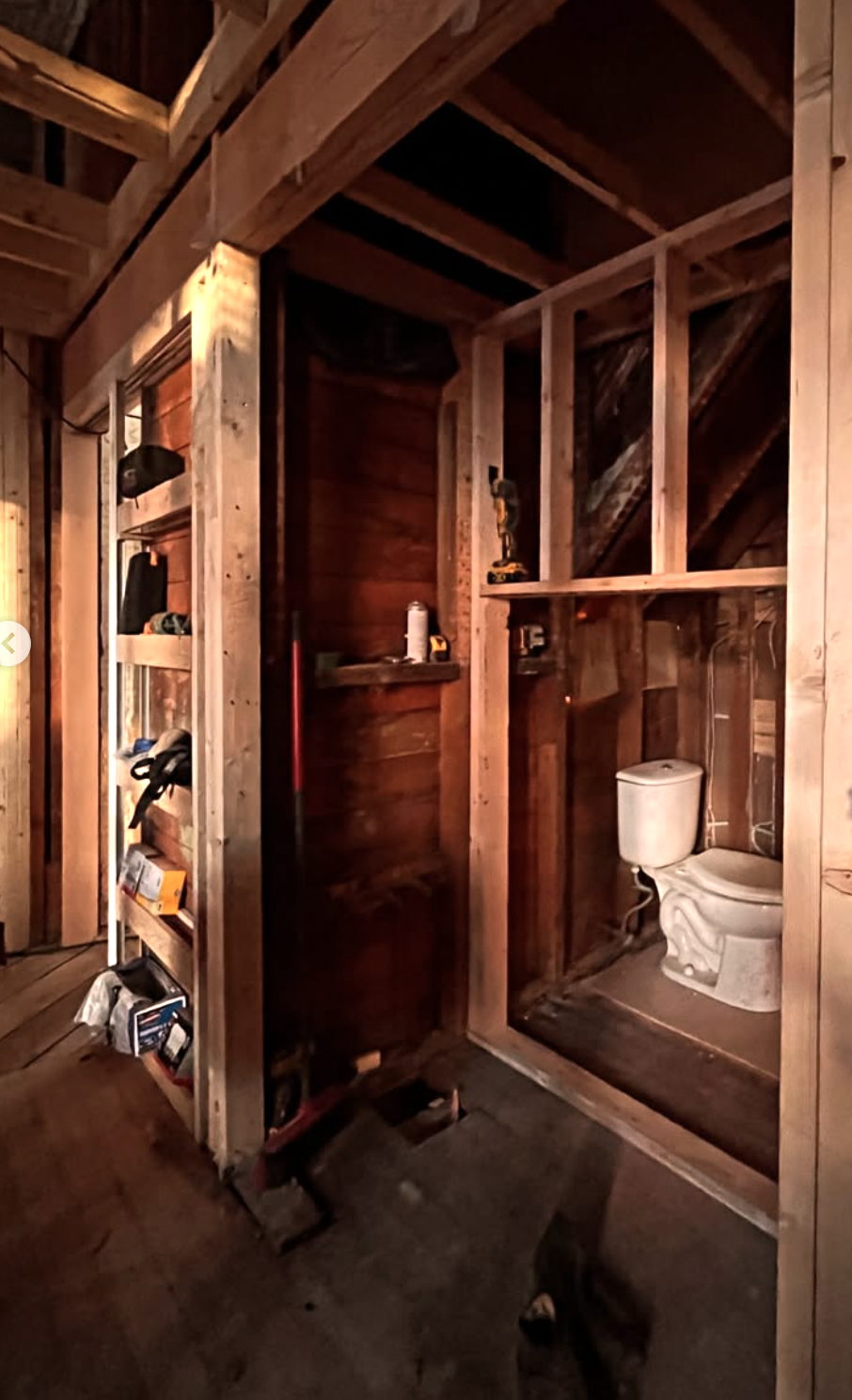
In early 2025, Mike and a local plumber were tearing apart what would eventually become our little powder room when they found them tucked inside the wall.
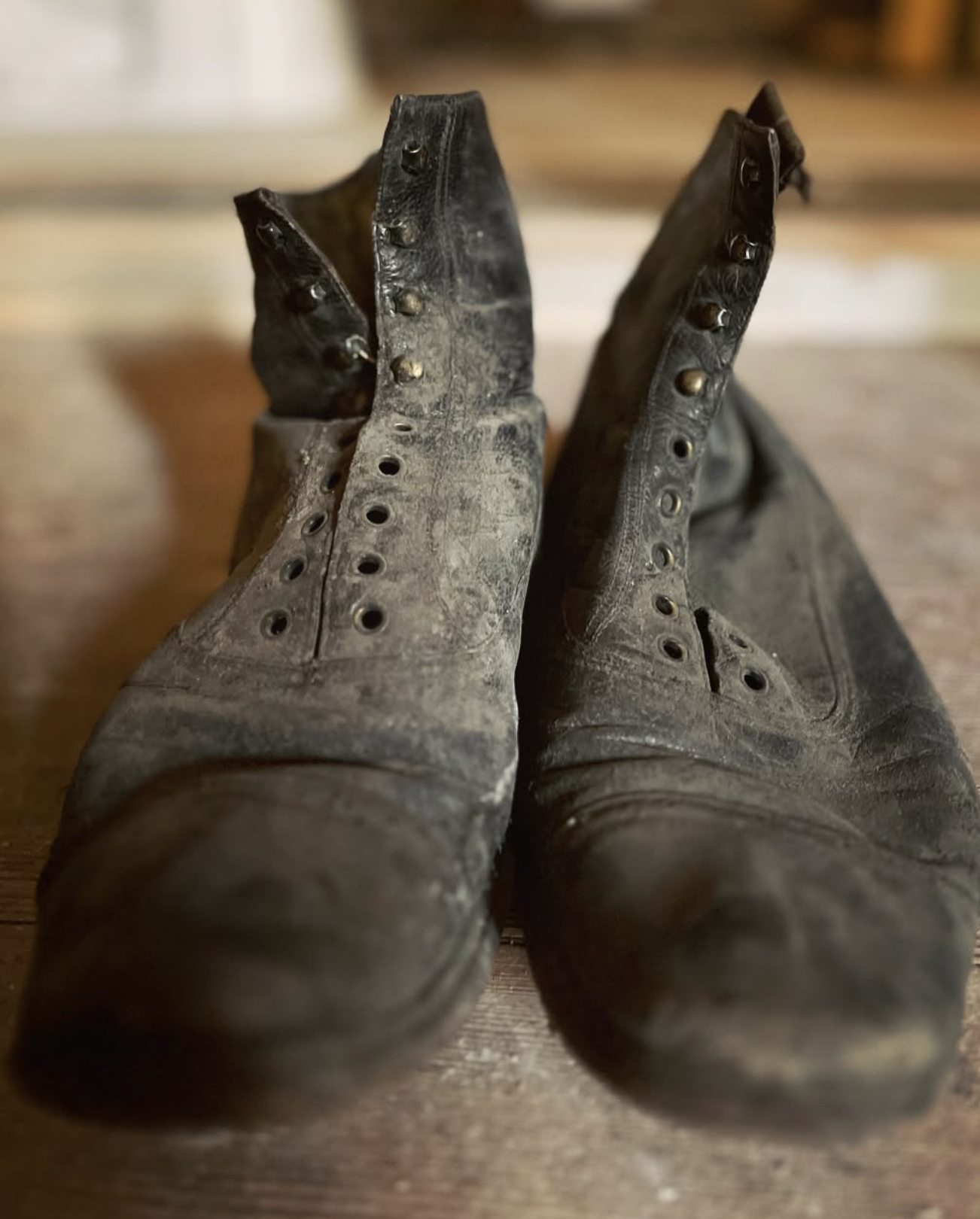
Two pairs, sitting neatly side by side.
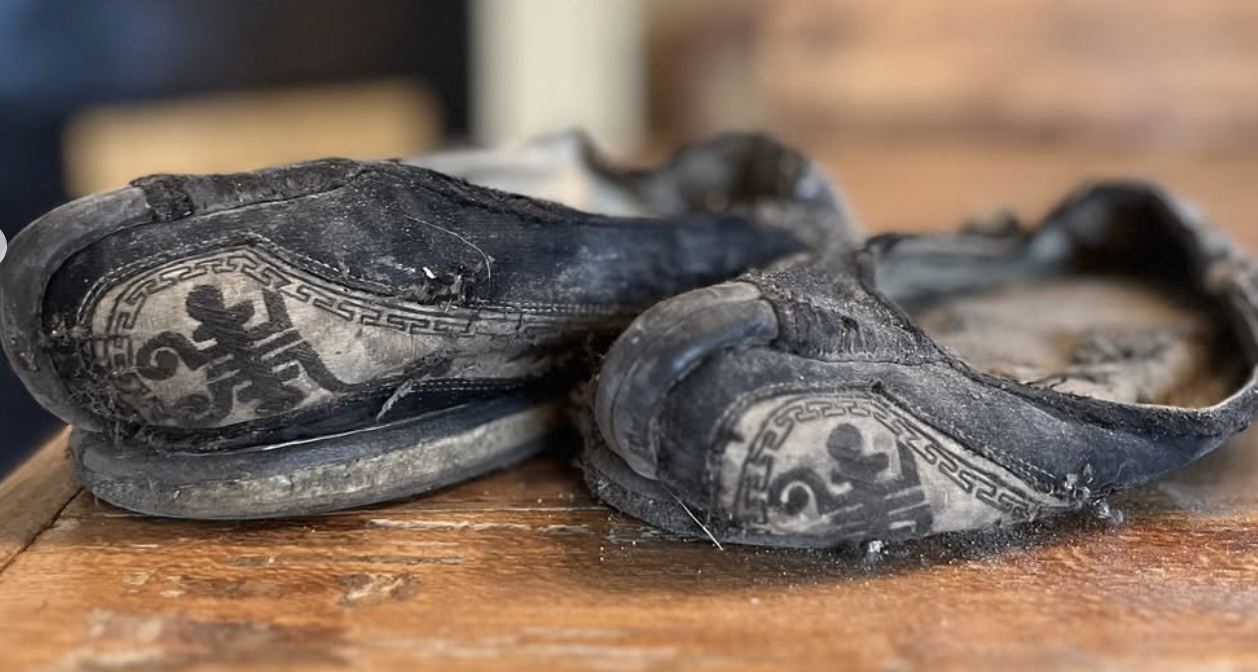
One was a pair of well-worn leather boots. The other was much stranger: small black cloth slippers, also heavily worn, with a distinctly Chinese design worked into the fabric.
Who had worn them? Why had they been put there? And how long had they been hidden inside the walls of our house on Kootenay Avenue?
So I went looking for answers.
Old shoes have been found deliberately concealed in historic buildings throughout Europe and North America, inside walls and chimneys, under floors and in roof spaces. No one knows precisely why they were put there, but theories range from good luck to protection of the household. Because a well-worn shoe takes on the shape of its owner, there was also a belief that it retained something of the person who had worn it.
Whatever the reason, ours certainly appeared to have been placed deliberately.
But whose were they?
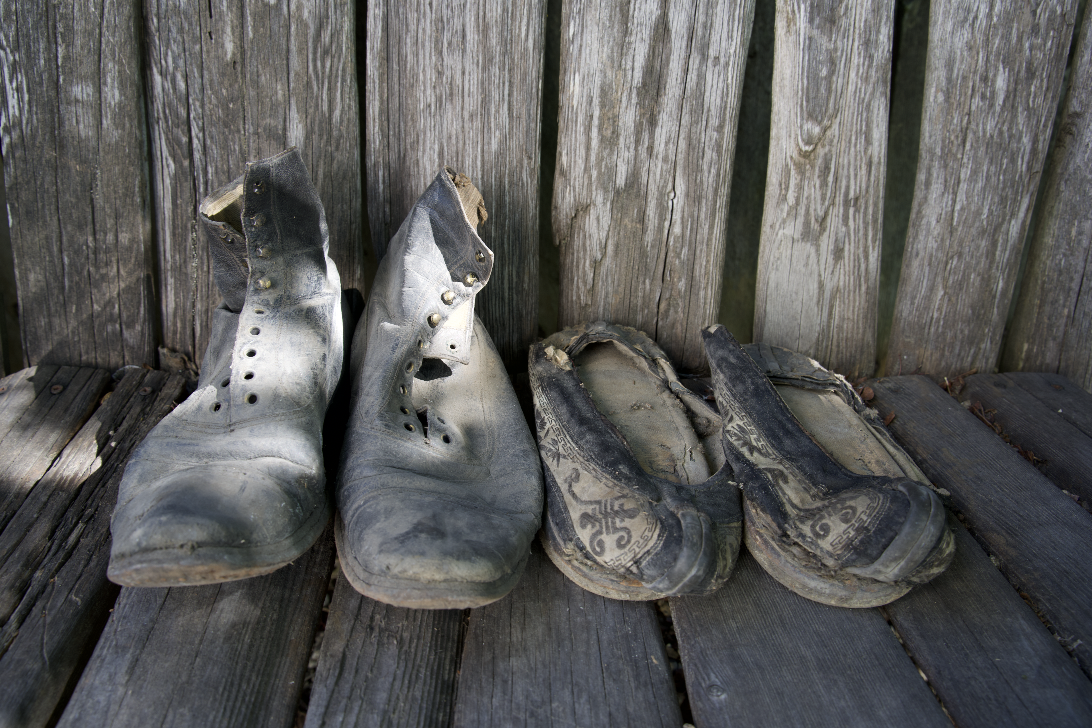
Two Pairs, One Mystery
Found concealed side by side inside the wall during renovations in early 2025.
When I posted about the discovery in early 2025, I tried to connect a few dots.
From the anecdotes we had heard about the early days of the house, we knew that a Chinese man had worked here. He was always referred to simply as the “House Boy.”
So my best guess at the time was that the cloth slippers might have belonged to him.
And then, this summer, a woman named Elizabeth came to the door.
Elizabeth is the granddaughter of James Sutherland Chisholm Fraser, J.S.C. Fraser, the first occupant of our house.
She had visited once before, in 1986. This time she came with her daughter, Fraser’s great-granddaughter, and we walked through the house together.
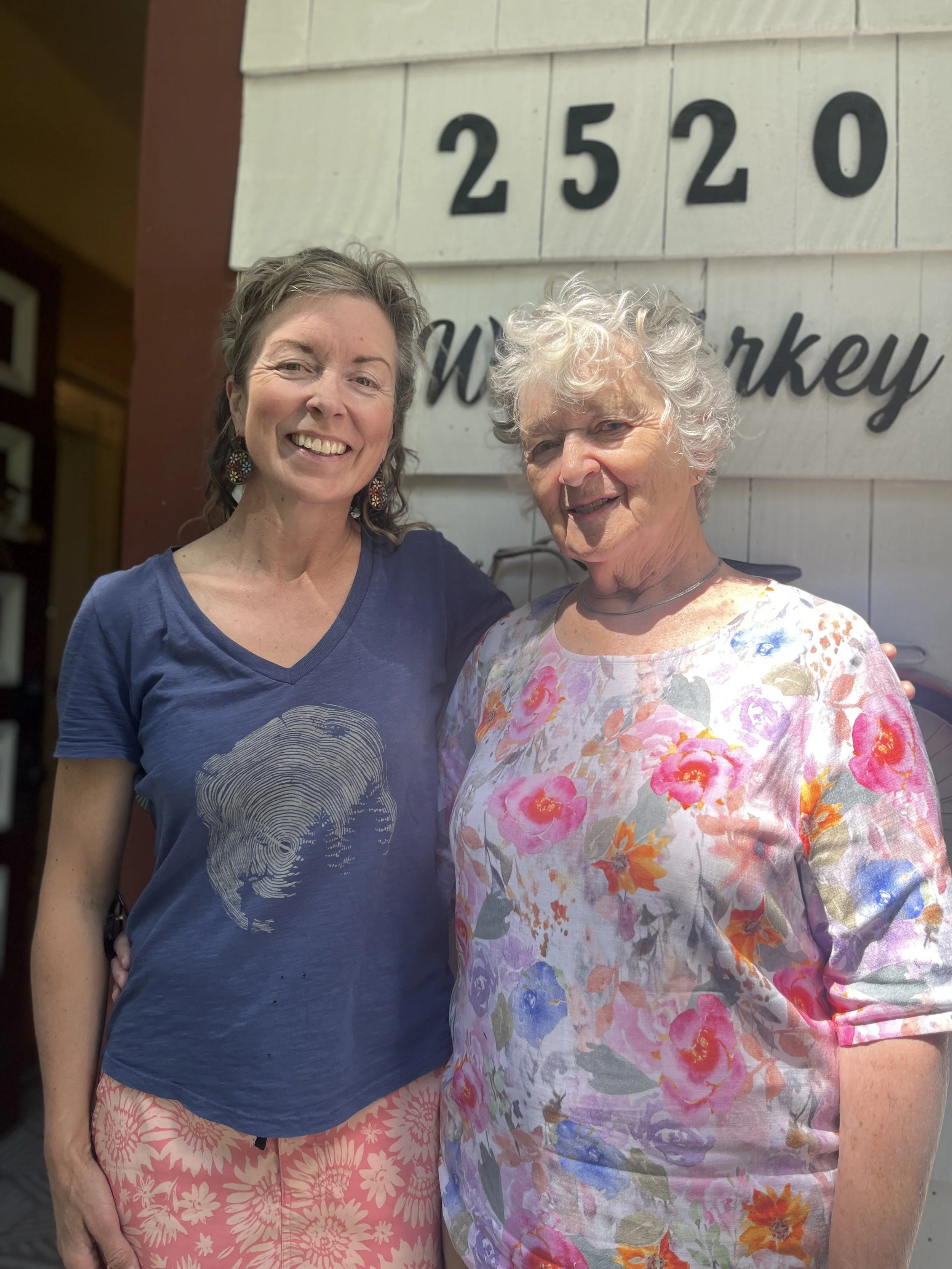
Generations Return
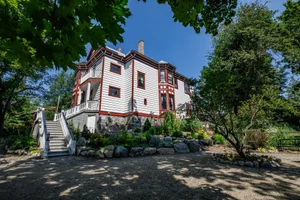
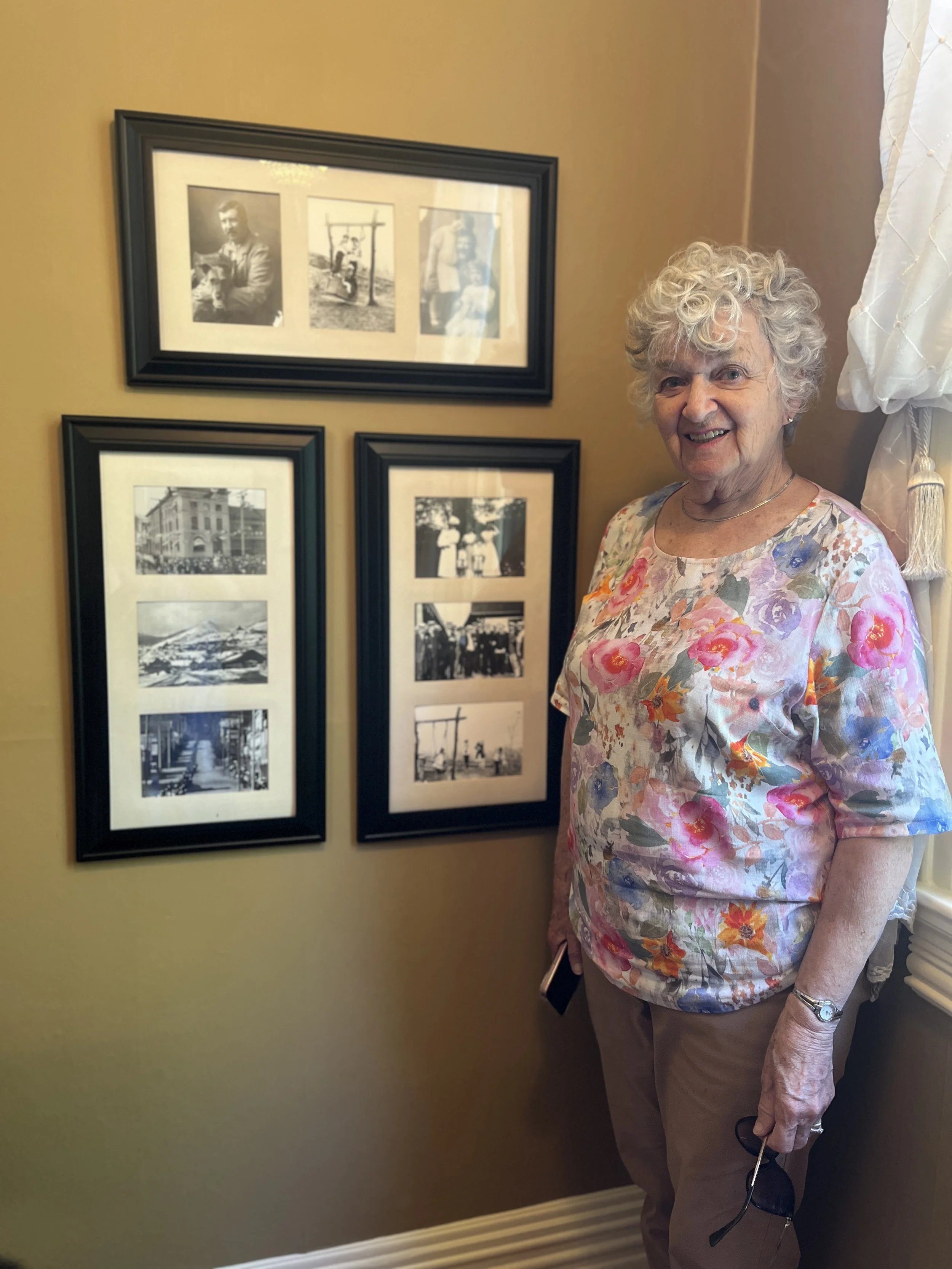
A special visit to Breezy Bluffs (aka The Wild Turkey Inn): Elizabeth, granddaughter of J.S.C. Fraser, with her daughter.
For the Fraser family, our Wild Turkey Inn wasn’t the Wild Turkey at all.
It was Breezy Bluffs.
As Elizabeth walked around, people in the old photographs on our walls began acquiring names.
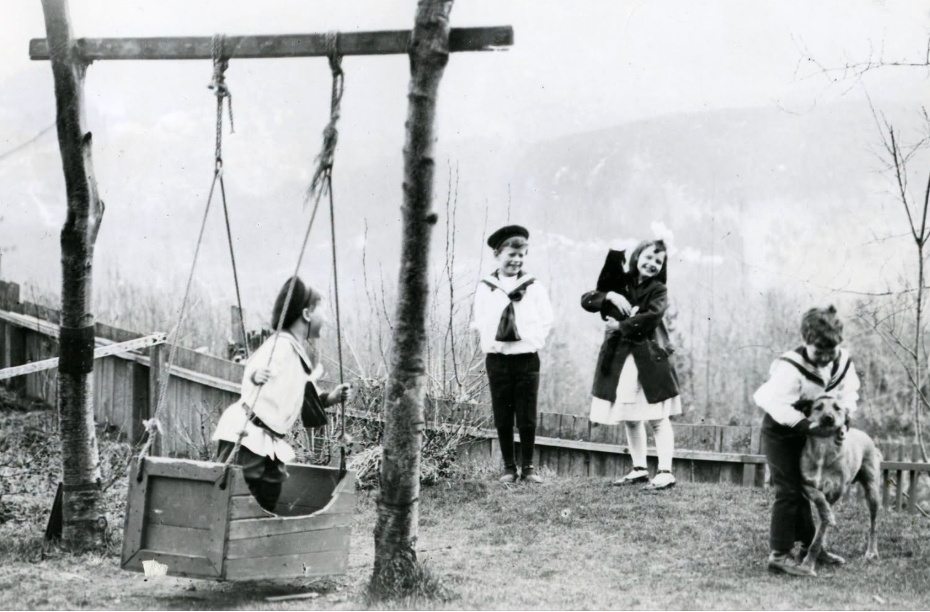
Her grandmother, Laura, was the woman in white holding a baby. Mrs. Wadds, whose husband was Rossland’s postmaster, stood beside her. The children in other photographs were her father and his siblings. Fraser’s sister, Aunt Kate, apparently had a fondness for dressing the children in costumes, which explains at least one photograph of Elizabeth’s father looking remarkably ecclesiastical.
There is something rather extraordinary about standing in your own hallway while someone identifies the people in photographs that have been hanging there for years.
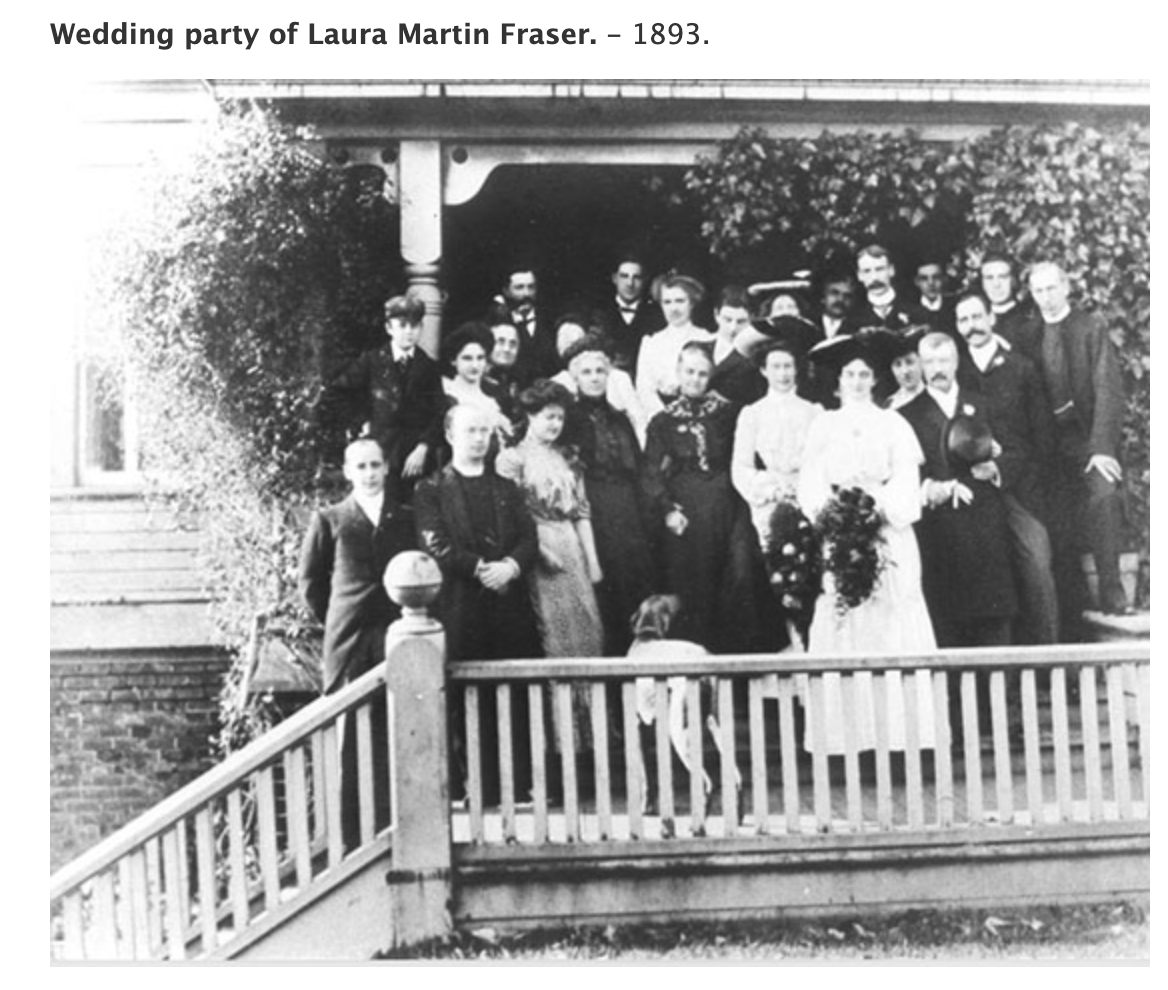
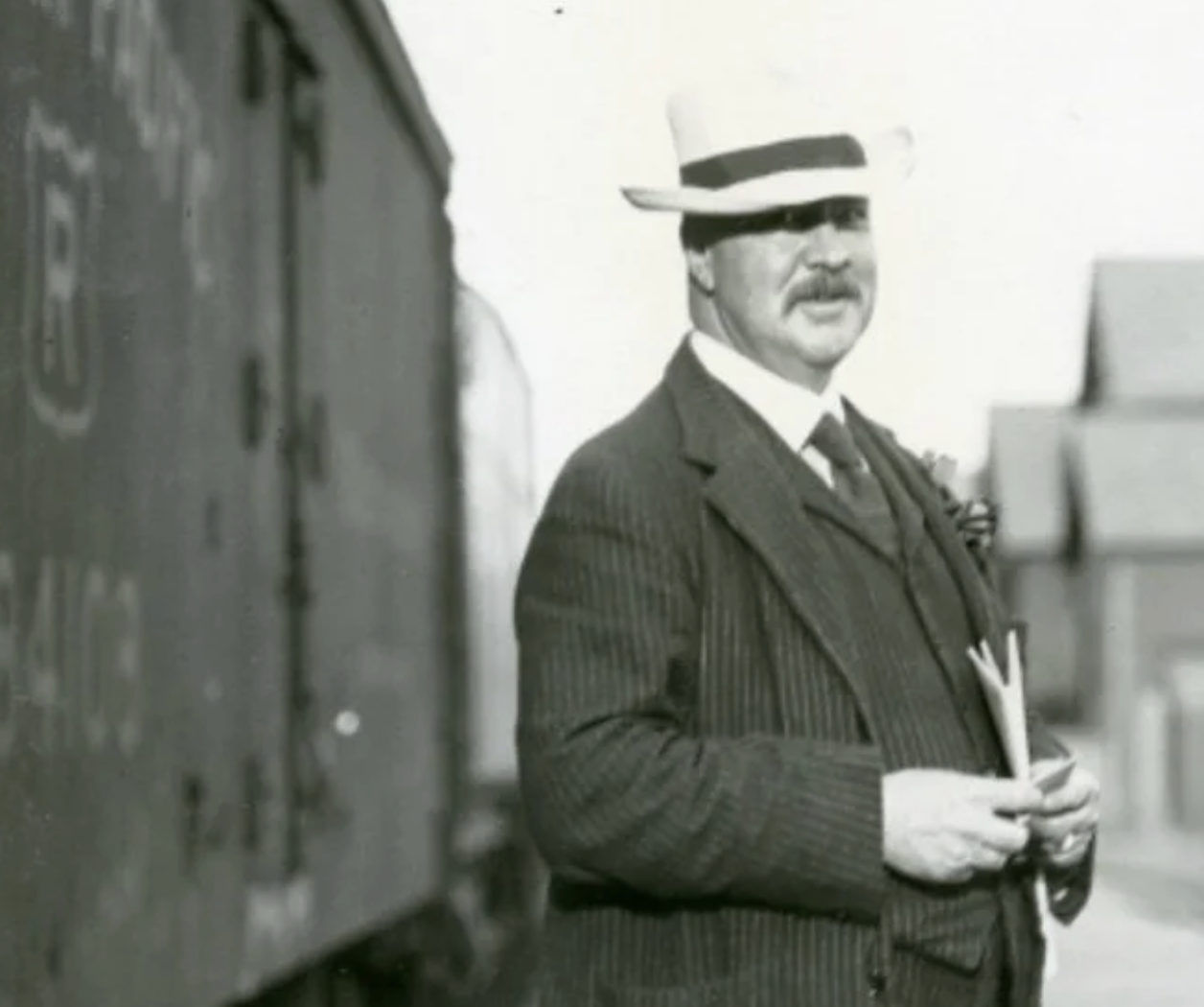
J.S.C. Fraser had come west with the Bank of Montreal and became manager of its Rossland branch in 1896. He and his wife, Laura Martin Fiennes-Clinton Fraser, raised their young family here before Fraser was transferred to Victoria in 1912.
It was Elizabeth’s follow-up email that really brought the household at Breezy Bluffs to life.
There were five Fraser children, although one little boy, Marshall, died in infancy. Fraser loved Airedales. Aunt Kate was part of the household, as was a Scottish nanny, a chauffeur-gardener and a cook who, according to Elizabeth, “generally ran the house.”
His name was Mr. Lee Kim.
Suddenly the “House Boy” had a name.
And quite a story.
Elizabeth had been told that Lee Kim could be bossy, and that he and the Scottish nanny frequently disagreed. That is a domestic rivalry I would dearly love to know more about.
But he loved the family and adored the children.
In 1914, while visiting Toronto after learning that his mother was ill, J.S.C. Fraser contracted meningitis and died. He was only 52.
His death changed everything for Laura. With a young family and their circumstances suddenly very different, she could no longer afford to maintain the household staff.
The chauffeur-gardener had to leave.
Lee Kim and the nanny refused to.
They stayed with the family for several years, receiving very little pay.
Eventually, one of Laura’s friends was able to employ Lee Kim, but he continued returning to visit the family. During the Depression, he would arrive with baking and treats. Years later, when Chis, Elizabeth’s father, married, Lee Kim came back to help the young couple.
And in late 1946, he made Elizabeth’s christening cake.
Soon afterward, Lee Kim returned to China to be with his own family.
That is a relationship spanning roughly forty years.
And suddenly I was looking at those slippers rather differently.
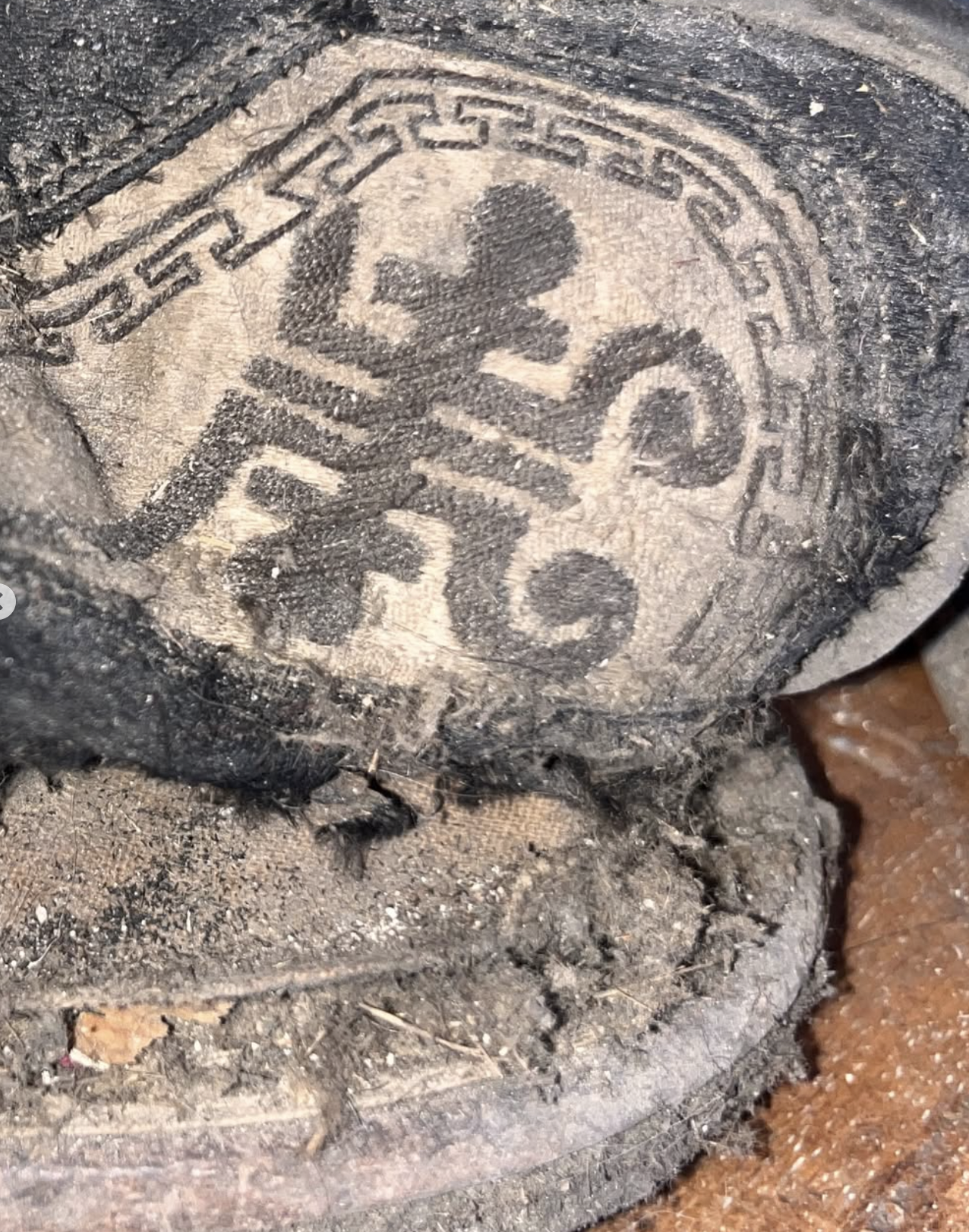
Character Study
A closer look at the slippers. The worn design appears to include the Chinese character shou (壽), a traditional symbol of longevity.
We will probably never be able to prove that they belonged to Lee Kim.
But we now know that a Chinese man named Lee Kim lived and worked in this house, helped raise the Fraser children and remained part of their lives long after he was no longer employed by them.
And we know that a pair of very old, very well-used Chinese-style slippers was carefully concealed inside one of the walls.
It is circumstantial evidence.
But it is awfully good circumstantial evidence.
The boots remain more mysterious. Fraser’s? The chauffeur-gardener’s? Someone else’s entirely?
For now, they aren’t telling.
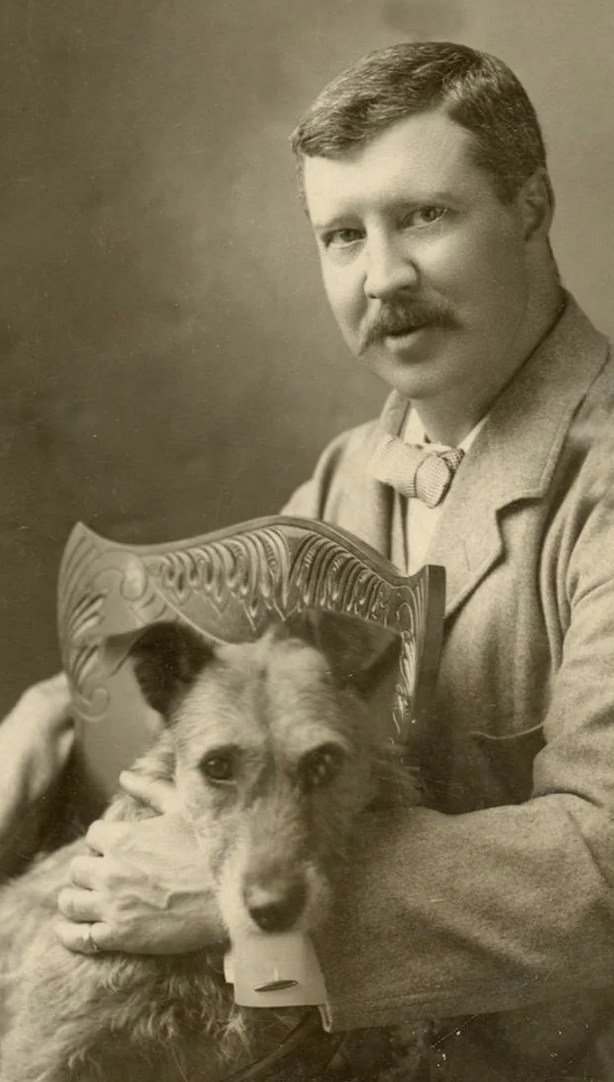
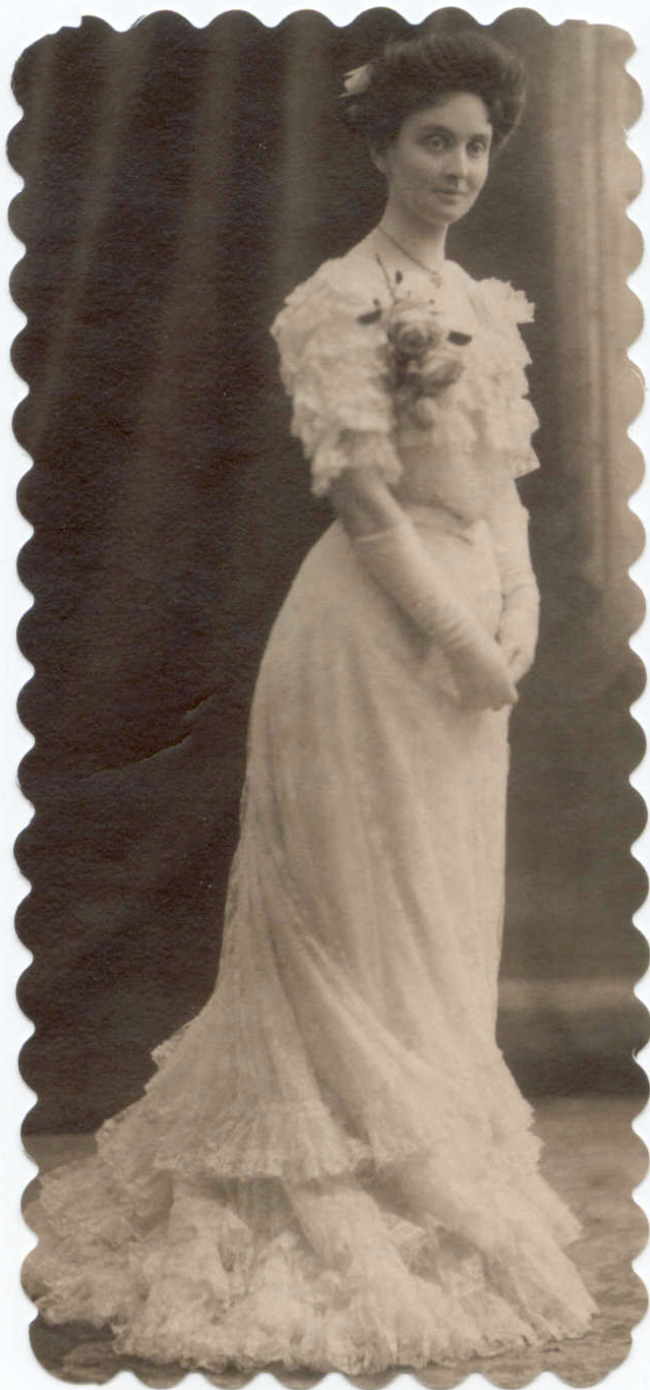
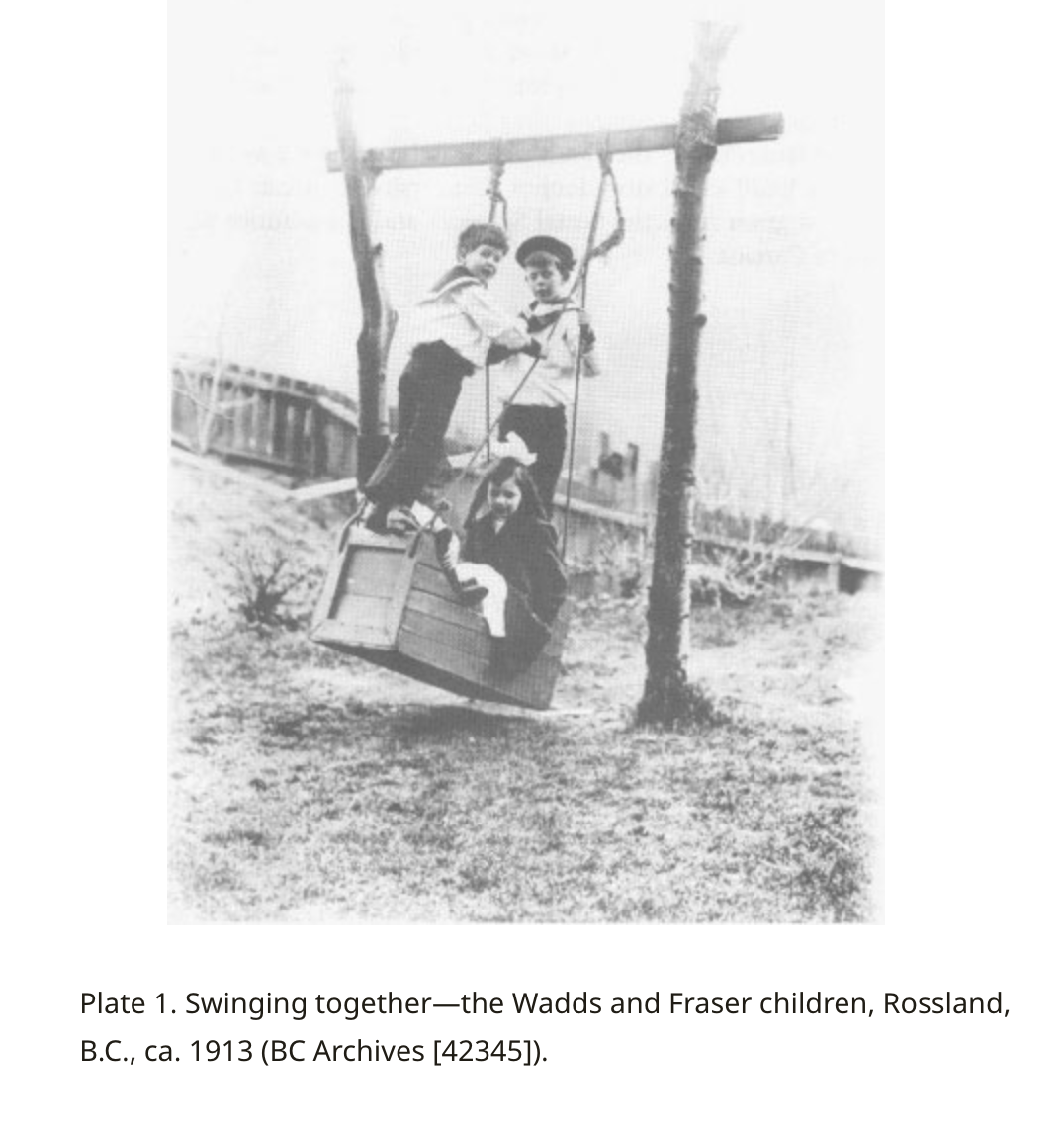
J.S.C. and Laura Fraser, with a glimpse of family life in Rossland — the Fraser children at play, c. 1913.
When we bought this place, I thought restoring an old house meant saving the house.
The floors. The windows. The plaster. The trim.
But increasingly, it feels as though we are collecting fragments of the people who passed through it.
A photograph becomes someone’s grandmother.
A child in a costume becomes someone’s father.
The “House Boy” becomes Mr. Lee Kim, a man who stayed when there was barely money to pay him, brought baking during the Depression, and made a christening cake for the next generation.
And two pairs of shoes come out of a wall.
And the shoes? We kept them, of course.
The current plan is to build them a proper little display cabinet close to the spot where they were found.
Which means that after spending more than a century hidden inside the walls of Breezy Bluffs, Mr. Lee Kim’s possible slippers and their mysterious companions may finally end up on permanent exhibition...
beside a toilet.
History is funny that way.
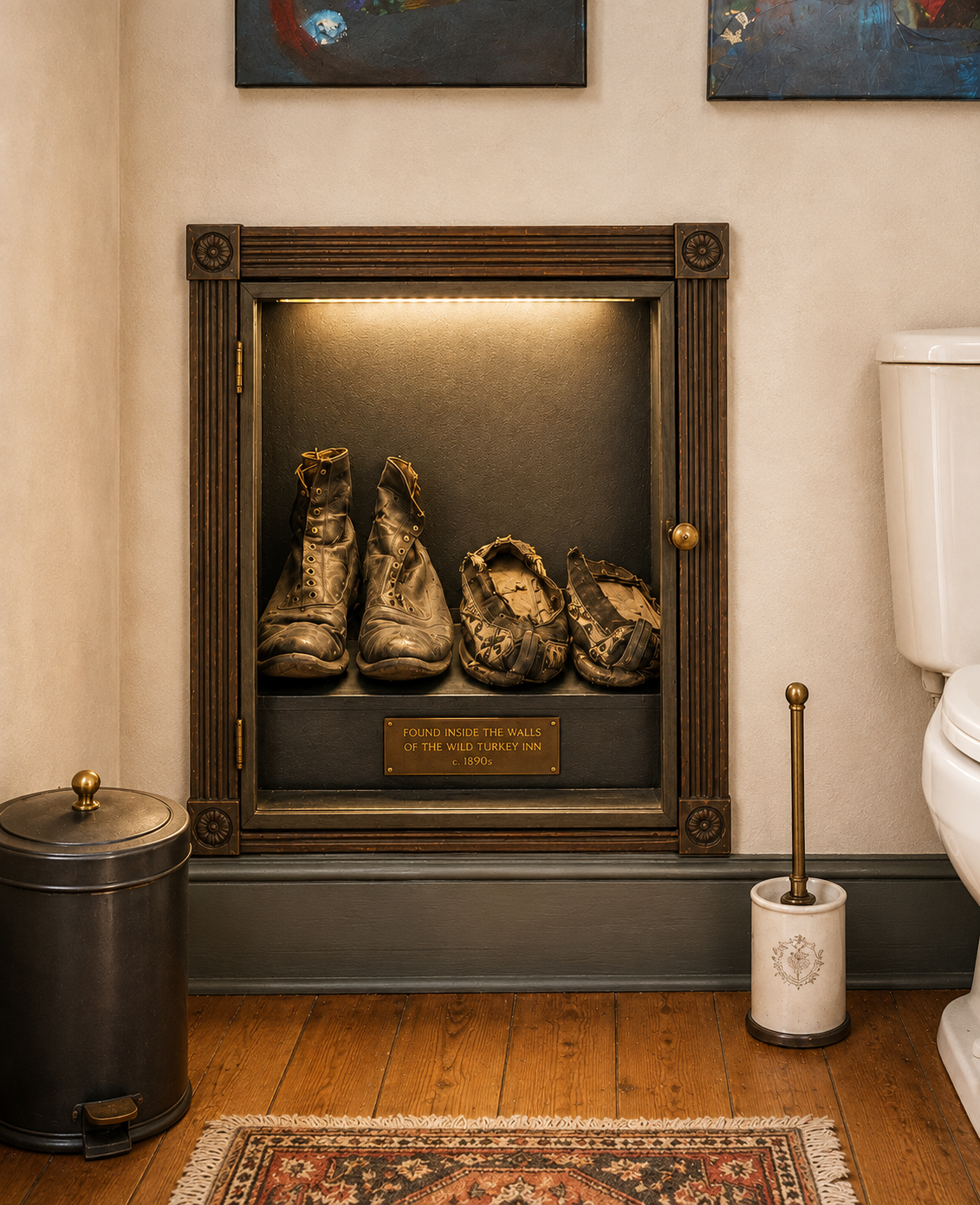
The Powder Room Museum
An imagined future home for the shoes, displayed close to where they were found. Yes, beside the powder-room toilet.